
What Dance Taught Me About Burnout, Belonging, and Coming Home to Yourself
In 2024, returned to dance at 38 because I needed somewhere that was just mine.
Not therapist me. Not mom me. Not the version of myself that holds space for everyone else's pain from Monday through Friday. Just a body moving through space, connected to music, reclaiming something joyful.
This year was my second year reengaging in my dance life. What I didn't anticipate was how much a prepping for my dance studio’s annual recital mirror the same dynamics I help my clients navigate every day — the pressure to perform, the fear of not being enough, the slow erosion of joy when an environment stops feeling psychologically safe.
This past year of dancing taught me three things about burnout and joy that I now carry into my clinical work:
Joy requires safety first. You cannot genuinely access joy in an environment where you're constantly being evaluated or where belonging feels conditional. Safety isn't a prerequisite that gets in the way of joy — it's the foundation joy is built on. This is true in dance studios and in life.
Belonging starts with yourself. When we're depleted, we look outward for validation that we're enough. Real belonging — the kind that actually regulates your nervous system — comes from an internal knowing of your own value, independent of anyone else's assessment.
Rest is part of the practice, not a break from it. I pushed through fatigue and physical pain because I believed showing up meant never stopping. It doesn't. Rest is how we return to ourselves. It's not the absence of the practice — it's where restoration actually happens.
The love for dance didn't disappear during the hard season. It was buried. And that distinction matters — for me, and for every high-achieving woman who wonders whether she's lost something she can't get back.
You haven't lost it. It's waiting under the exhaustion.
Looking to center joy and possibility in your life? I’d love to work with you. Request an appointment today.

Beyond Attachment Theory: Why Clinicians Need the 'Romantic Centrality' Framework for Post-Relational Work
Note: This post is written for therapists, counselors, and mental health professionals — but the concepts apply broadly. If you're not a clinician and you're here, welcome.
I want to challenge something we've become comfortable with in our field: the idea that post-breakup distress is primarily an attachment disorder.
Not because attachment theory isn't useful. It is. But because for a significant population of our clients, it's not the most accurate — or most useful — primary lens.
The Comfort of a Ready Framework
Attachment theory gives clinicians something genuinely valuable: a coherent story about why people respond to relational loss the way they do. An attachment history. A developed internal working model. A patterned way of relating that shows up predictably across relationships.
It's clinically satisfying. It explains a lot.
But here's what I've noticed in practice: when I apply attachment theory as the primary frame for high-achieving women in post-relational distress, I often hit a ceiling.
The insight lands. The client understands her anxious attachment. She can name the pattern. She can trace it to its origin.
And then she's still stuck.
What Attachment Theory Misses
The limitation isn't in the theory itself — it's in how we apply it when we're working with women who've been deeply shaped by cultural messages about love, worth, and identity.
Attachment theory asks: how did your early relationships shape the way you bond?
But it doesn't fully ask: what did your culture teach you about the purpose of romantic love? What was the message about what a woman is, without a partner? What script was she handed — and when?
When we focus exclusively on the individual's relational history, we inadvertently locate the problem inside her. The issue is in her nervous system, her childhood, her pattern.
We can overlook what the culture contributed.
Introducing Romantic Centrality as a Clinical Framework
Romantic Centrality describes the cultural positioning of romantic love as the primary site of a woman's identity, worth, and relational meaning — installed before she's old enough to critically evaluate it.
This is a systemic cause, not an individual one. And naming it in treatment has different clinical effects than naming attachment patterns alone.
When a client understands that her post-breakup destabilization isn't primarily a symptom of her attachment wound — but also a response to the loss of an identity structure built on a cultural foundation she didn't choose — the shame shifts.
She stops explaining herself as broken. She starts understanding herself as someone who was responsive to a curriculum that served her poorly.
That reframe isn't just validating. It's clinically generative. It opens new questions, new directions, and a different relationship between the client and her own experience.
What This Looks Like in Session
Language shift is usually the first signal. When we introduce Romantic Centrality, clients move from "What's wrong with me?" to "What was I taught?" From "I'm too sensitive" to "My nervous system learned this." The question "what's wrong with me?" generates shame and self-contraction. The question "what was I taught?" generates curiosity. And curiosity, in my experience, is where movement actually begins.
Distinguishing two types of loss is one of the most useful clinical moves I've found. I ask clients to identify whether they're grieving the person or grieving the identity structure. "Missing someone is grief. Not knowing who you are is something else." These require different interventions and different timelines — and conflating them is one of the most common reasons healing plateaus.
Externalizing the script borrows from narrative therapy. Rather than analyzing the client's internal patterns in isolation, I name romantic centrality as a cultural construct, not a personal truth. "You were taught that partnership completes you. That is a script, not a fact." This creates distance between the client and the belief, making it something to examine rather than something she simply is.
Expanding identity exploration becomes more tractable once the cultural framing is in place. Rather than asking how to manage her attachment, I ask: who were you before you learned this? What parts of yourself went quiet inside the relationship? Who do you want to become? These questions have texture and urgency that "how do you regulate your attachment system?" often doesn't.
Treatment Implications
Adding Romantic Centrality to your clinical framework doesn't replace attachment work — it contextualizes it. Some of the most effective treatment I've done combines attachment processing, somatic regulation, and identity expansion under this broader frame.
The goal isn't to help clients love less. It's to help them build a self that exists independent of whether they're loved — so that when love is present, it's chosen rather than required.
That's a more durable outcome. And in my experience, it's what our clients are actually asking for, even when they come in saying they just want to get over a breakup.
I've built a full clinical curriculum — the Joy Reclamation Framework — around this approach, including a four-step treatment model (Regulate → Externalize → Expand → Install), assessment tools, and client-facing materials. If you're interested in learning more, I'd love to connect.

It's Not Codependency: A Therapist Explains Romantic Centrality and How It's Quietly Running Your Life
We have a lot of words for women who love too hard.
Codependent. Anxiously attached. Enmeshed. Too invested. Love-addicted.
These labels arrive with books, worksheets, and the well-meaning advice of people who genuinely want to help. And in some contexts, they're useful.
But in my practice, I've watched these diagnoses do something else entirely: they locate the problem inside the woman, as if her response to a culture that set her up to fail is a personal pathology.
I want to offer a more accurate frame.
We have a lot of words for women who love too hard.
Codependent. Anxiously attached. Enmeshed. Too invested. Love-addicted.
These labels arrive with books, worksheets, and the well-meaning advice of people who genuinely want to help. And in some contexts, they're useful.
But in my practice, I've watched these diagnoses do something else entirely: they locate the problem inside the woman, as if her response to a culture that set her up to fail is a personal pathology.
I want to offer a more accurate frame.
What We Actually Mean When We Say "Codependent"
The term codependency was originally developed to describe relationship dynamics in families affected by addiction — specifically, the patterns that emerge when someone organizes their behavior, feelings, and self-concept around another person's dysfunction.
Over time, the term expanded. Now it's applied to anyone who seems too invested in a relationship, too attuned to a partner's needs, too destabilized by the prospect of loss.
At its most useful, the codependency framework points to real patterns: self-abandonment, difficulty tolerating aloneness, deriving worth from being needed. These are worth understanding.
But the framework has a significant limitation: it treats these patterns as individually generated, as failures of self-development — without asking where they came from.
What Anxious Attachment Gets Right — and Where It Falls Short
Attachment theory has been genuinely transformative for the therapy field. Understanding how early relational experiences shape the way we bond as adults is important and often illuminating.
But anxious attachment, as commonly applied, has a similar limitation: it locates the cause in early childhood and the solution in individual nervous system regulation. It asks how you formed this attachment pattern — and how you can regulate your way out of it.
These are useful questions. But they miss a layer.
Even women with secure attachment histories — women who had attuned, consistent caregiving — can develop patterns of romantic over-investment. Because those patterns weren't only installed in childhood. They were also installed by every movie, song, and social message they absorbed over the course of their lives.
You can have a secure attachment style and still have been shaped by a culture that taught you your worth was contingent on being chosen.
Introducing Romantic Centrality
Romantic Centrality is the term I use to describe the cultural positioning of romantic love as the primary source of a woman's identity, worth, and sense of completion.
It's not a diagnosis. It's a description of something that was done to most of us before we were old enough to opt out.
When romantic love is the center, losing a relationship doesn't just hurt. It destabilizes. The loss isn't just about the person — it's about the self that was organized around them. The future that assumed them. The meaning system that required them.
This is why breakups can feel catastrophic even when you know, rationally, that the relationship wasn't right. Your nervous system isn't responding to the loss of this particular person, exactly. It's responding to the sudden absence of the structure that told it who you were.
How Romantic Centrality Shows Up
It looks like building your life around someone else's schedule, preferences, and emotional state — gradually, incrementally, until your own preferences become hard to locate.
It looks like the question "What do I want for dinner?" producing genuine uncertainty, because you've spent years calibrating your desires to someone else's.
It looks like planning your career around where a relationship might go, structuring your social life around couple activities, letting your creative life go quiet because there wasn't space for it.
It looks like not knowing who you are in the quiet — only knowing who you were in relation to them.
Why Naming It Changes Everything
When a woman understands that what she's experiencing isn't a personal failing — that it's a logical outcome of a cultural curriculum she never consented to — something shifts.
Not immediately. Not without grief.
But the shame changes shape.
She stops asking "What's wrong with me?" and starts asking "Who taught me this?" She stops trying to manage her attachment and starts examining the belief system underneath it.
That's where the real work begins. Not in loving less. Not in becoming more emotionally self-sufficient as a protective strategy.
In building a self that doesn't require a relationship in order to exist.
That self is already there. She's been waiting.
If you need support rediscovering yourself beyond romantic relationships, I’d love to support you. Schedule a consultation here.

You Weren't Too Attached: Understanding the Romance Industrial Complex and Why You Were Taught to Over-Invest in Love
The Romance Industrial Complex isn't a single thing. It's a system — a cultural machine that includes movies, music, television, advertising, family systems, and social norms — that positions romantic love as the organizing center of a woman's life.
From the time most of us were old enough to absorb stories, we were being taught:
Love is the plot. The career, the friendship, the self — these are context. The love story is the story.
A woman without a partner is incomplete. She's waiting for something. She's a before, not an after.
There's a diagnosis that gets applied to women who grieve love too deeply, who give too much, who don't bounce back on anyone else's schedule.
The diagnosis is: "You were too attached."
It shows up in therapy offices, in breakup advice columns, in well-meaning conversations with friends. You loved too hard. You were too invested. You need to work on your attachment style.
And while attachment patterns are real and worth understanding, I want to offer a different starting point — one that doesn't locate the problem inside you.
You weren't too attached. You were a good student.
What the Romance Industrial Complex Actually Is
The Romance Industrial Complex isn't a single thing. It's a system — a cultural machine that includes movies, music, television, advertising, family systems, and social norms — that positions romantic love as the organizing center of a woman's life.
From the time most of us were old enough to absorb stories, we were being taught:
Love is the plot. The career, the friendship, the self — these are context. The love story is the story.
A woman without a partner is incomplete. She's waiting for something. She's a before, not an after.
The deepest pain a woman can feel is heartbreak. And the deepest achievement is being chosen.
These weren't messages anyone necessarily said out loud. They were in the movies that made you cry, the songs that felt like they were written for you, the way adults lit up when they asked if you had a boyfriend — and deflated, just slightly, when you didn't.
We absorbed the curriculum before we were old enough to critique it.
Three Ways the Romance Industrial Complex Operates
1. It makes romantic love the primary identity container. When a woman builds her sense of self around being someone's partner — not by conscious choice, but by cultural absorption — she's participating in what psychologists call identity foreclosure. The relationship doesn't just structure her time. It structures her sense of who she is.
2. It pathologizes the logical outcomes of its own teaching. After training women to center romantic love, the culture then diagnoses them as disordered when they respond strongly to its loss. The woman who is devastated after a breakup wasn't "too attached" — she was doing exactly what she was taught to do. The diagnosis arrives after the lesson.
3. It narrows the definition of a full life. When partnership is positioned as the destination, everything else — work, friendship, creative life, relationship with self — is implicitly secondary. This narrowing often happens slowly, in small accommodations, until a woman looks up and realizes she has organized her entire existence around someone else.
What This Looks Like in Practice
In my work with women navigating post-relational healing, I see a few patterns that point directly to the Romance Industrial Complex:
The Woman Who Stopped Knowing What She Likes. She can tell you everything about her former partner's preferences — the restaurants he liked, the shows she watched with him, the way she learned to hold her opinions differently around him. But when I ask what she actually loves — for herself, by herself — the room goes quiet.
The Woman Who's "Fine." She's back at work. She's exercising. She's responding to texts. From the outside, she looks like she's doing great. But underneath the performance, she's operating on autopilot — going through the motions of her life while feeling fundamentally unmoored. The person she was in the relationship felt real to her. The person she is now feels like an outline.
The Woman Who Grieves the Future She Didn't Get. She's not just mourning the person — she's mourning the house they almost shared, the holidays they planned, the version of herself that was going to exist five years from now. She's grieving forward and backward simultaneously.
The Woman Who Keeps Going Back. Not because the relationship is good. Not because she doesn't see the problems. But because the alternative — being without the organizing center, without the identity structure — feels more terrifying than the relationship itself.
Each of these is a portrait of what happens when romantic love is the primary container for identity. And none of them are character flaws.
What This Means for Your Healing
Naming the Romance Industrial Complex doesn't dissolve the grief. It doesn't make the loss smaller.
But it changes the question.
Instead of "What's wrong with me?" the question becomes: "What was I taught? And is it serving me?"
Instead of "How do I attach less?" the question becomes: "How do I build a self that isn't entirely organized around being loved?"
That's different work. More specific work. And in my experience, it's the work that actually moves something.
The path forward isn't to become someone who loves less. It's to become someone who knows herself enough that love is one part of a life she actually owns.
That's what decentering romantic love really means.
If you’re looking for supporting in grieving a relationship loss, I’d love t support you. Schedule a consultation today.

The Difference Between Chemistry and Compatibility (And So Many of Us Confuse Them)
Chemistry is a nervous system event. Your nervous system doesn't distinguish between excitement and anxiety — between aliveness and activation. Between genuine connection and a familiar pattern playing out again.
You know the feeling.
You meet someone and something shifts immediately. The conversation flows effortlessly. There's a pull you can't quite explain. You find yourself thinking about them hours later. Days later. The connection feels undeniable — like something rare and real.
And then, months in, you're exhausted. Confused. Wondering how something that felt so right keeps going so wrong.
Here's what nobody tells you: chemistry and compatibility are not the same thing. And for high-achieving women — especially those of us who learned early that love requires effort, intensity, and work — confusing the two can cost years.
Let's talk about why.
What Chemistry Actually Is
Chemistry is a nervous system event.
When you feel that electric pull toward someone, what you're actually experiencing is a cocktail of neurochemicals — dopamine, norepinephrine, serotonin — firing in response to novelty, excitement, and perceived reward. It's the same system activated by a roller coaster, a surprise, or anything your brain codes as thrilling and unpredictable.
Chemistry feels like recognition. Like coming home. Like finally.
But here's the clinical reality: your nervous system doesn't distinguish between excitement and anxiety. Between aliveness and activation. Between genuine connection and a familiar pattern playing out again.
For women who grew up in emotionally unpredictable environments — homes with inconsistent caregivers, relationships where love felt conditional, or childhoods that required constant attunement to others — chemistry often points directly toward the familiar. And familiar doesn't always mean healthy. Sometimes familiar just means known.
The person who keeps you slightly off balance, who you have to work to understand, who offers just enough to keep you invested — that person can feel like chemistry. Because to your nervous system, they feel like home.
What Compatibility Actually Is
Compatibility is quieter. More stable. Less immediately intoxicating.
Compatibility is what happens when two people's values, communication styles, life visions, and emotional capacities are genuinely aligned. It's not about having everything in common — it's about moving through life in ways that complement rather than deplete each other.
Compatibility looks like:
Feeling safe enough to be honest without bracing for impact
Conflict that gets repaired rather than avoided or escalated
A relationship where you don't have to shrink, perform, or manage
Someone who shows up consistently — not just when it's exciting or convenient
Feeling chosen, not just needed
The challenge is that compatibility, especially early on, can feel almost anticlimactic to someone whose baseline for connection involves intensity and unpredictability. If your nervous system learned that love feels like work, a relationship that feels easy can trigger suspicion rather than gratitude.
Is this too good to be true? Why don't I feel that spark? Maybe we're just not passionate enough.
These are not signs of incompatibility. They are signs that your nervous system is unfamiliar with safety.
Why High-Achieving Women Are Especially Vulnerable to This Confusion
High-achieving Black and BIPOC women carry a particular kind of relational complexity.
We are often socialized to be attuned, adaptive, and emotionally intelligent — which makes us exceptional at reading people, anticipating needs, and showing up fully in relationships. These are genuine gifts.
But they also mean we can rationalize almost anything. We can see the potential in a person and love them toward it. We can identify why someone behaves the way they do and find compassion for their wounds. We can stay far longer than we should because we can always construct a narrative for why it makes sense.
Chemistry gives us something to hold onto when compatibility is absent. The spark becomes evidence that the relationship is worth fighting for. The intensity becomes proof of depth. The highs — however brief — become the justification for enduring the lows.
And meanwhile, the person who calls when they say they will, who doesn't require emotional management, who simply shows up — gets passed over for being too stable. Too available. Not exciting enough.
This is not a flaw in your character. It is a pattern in your nervous system. And patterns can be rewired.
How to Tell the Difference in Real Time
Ask yourself these questions when you feel strongly pulled toward someone:
Does this feel good or does this feel familiar? Excitement and anxiety activate the same physiological response. Learn to distinguish between the two by asking whether the feeling is expansive or contracting. Does this person make you feel more like yourself or less?
Am I attracted to who they are or who they could be? Potential is seductive. Especially for women who are good at seeing it. But you cannot build a present relationship on future possibility. Ask yourself honestly — if this person never changed, never grew, never became the version of themselves you can envision — would you still want to be here?
How do I feel in the days between seeing them? Chemistry without compatibility often produces anxiety in the spaces between connection. You find yourself overanalyzing, waiting, managing your own hopefulness. Compatibility produces a baseline of steadiness — you think of them warmly without the undercurrent of uncertainty.
Do I feel safe being ordinary with this person? The real test of compatibility isn't the best moments — it's the mundane ones. Grocery runs. Bad days. Miscommunications. Does this person make ordinary life feel lighter or heavier?
A Final Word
You are not too much. You are not too selective. You are not asking for too much by wanting both the spark and the stability.
But if you've spent years following chemistry into relationships that leave you depleted — it might be time to ask what your nervous system has learned to call love.
Because you deserve more than intensity. You deserve consistency. You deserve someone who chooses you on the ordinary days. You deserve to feel at home in your relationship — not just occasionally visited by the feeling of it.
That starts with knowing the difference.
If you're ready to take a deeper look at your relationship patterns, start with the free Relationship Audit Workbook — designed to help you get honest about what's working, what isn't, and what you actually need. Download it here.

Why High-Achieving Women Attract Emotionally Unavailable People (And How to Break the Pattern
The chase, the hope, the 'almost there' of an unavailable person — that can feel like love when it's actually just a familiar nervous system state.
If you're reading this, there's a good chance you've had some version of this experience:
You meet someone. The connection feels electric. You're drawn in by their complexity, their potential, the way they seem to need exactly what you have to offer. You invest. You show up. You give generously.
And eventually — sometimes slowly, sometimes all at once — you realize you've been doing most of the emotional work. Again.
Sound familiar?
If you're a high-achieving woman, especially a Black or BIPOC woman who has spent years being competent, capable, and the one who holds things together — this pattern may feel uncomfortably familiar. Not just in romantic relationships, but in friendships too.
And here's what I want you to know: this is not bad luck. It's not a coincidence. And it is absolutely not your fault.
But it is a pattern worth understanding.
What Does "Emotionally Unavailable" Actually Mean?
Emotional unavailability isn't always obvious. It doesn't always look like someone who refuses to talk about their feelings or disappears when things get hard — though it can.
It can also look like:
Someone who is warm and engaging in good times but shuts down under stress
A person who talks about their potential constantly but rarely follows through
Someone who needs you to manage their emotions while rarely holding space for yours
A friend or partner who is present when it's convenient but unreliable when it counts
Someone who acknowledges they have work to do but never actually does it
Emotional unavailability exists on a spectrum. And high-achieving women are often exceptionally good at seeing past it — because they're also exceptionally good at seeing potential.
Why High Achievers Are Particularly Vulnerable to This Pattern
This is where it gets important — and where I want you to stay with me.
High-achieving women, particularly those who grew up in environments that required them to be responsible, self-sufficient, and attuned to others' needs, often develop a relational template that looks something like this:
Love is something you earn through what you do. Connection requires effort — yours specifically. Your value in a relationship is tied to how much you contribute.
This template is adaptive. It probably helped you survive and even thrive in environments that demanded a lot from you early on. But it also makes emotionally unavailable people feel familiar — even comfortable — in a way that emotionally available people sometimes don't.
Here's the painful irony: a person who meets you with equal energy, consistent presence, and emotional maturity can actually feel boring or overwhelming to someone whose nervous system learned that love requires work.
The chase, the hope, the "almost there" of an unavailable person — that can feel like love when it's actually just a familiar nervous system state.
Signs You May Be in This Pattern
Take a moment with these questions:
Do you find yourself drawn to people who seem to need fixing, saving, or believing in?
Do your relationships often feel unequal in terms of emotional investment?
Do you find emotionally available, consistent people less exciting or harder to trust?
Do you frequently find yourself making excuses for someone's behavior or potential?
Do you stay in relationships longer than your own instincts tell you to?
Do you confuse intensity and chemistry with genuine compatibility?
If you answered yes to several of these — you're not broken. You're just running an old program that's ready for an upgrade.
How to Begin Breaking the Pattern
Get curious about familiarity. The next time you feel strongly pulled toward someone, ask yourself: does this feel good, or does this feel familiar? Those are not the same thing. Familiar can feel electric precisely because your nervous system recognizes it — not because it's right for you.
Notice who you have to work hard to keep. Healthy relationships require effort — but they don't require you to perform, manage, or convince. If you're working harder to maintain the connection than the other person is, that's data.
Practice tolerating the discomfort of being chosen easily. Emotionally available people show up consistently without drama. For overfunctioners this can initially feel flat or even suspicious. That discomfort is worth sitting with rather than running from.
Examine your relationship with your own needs. High-achieving women often become so fluent in meeting others' needs that their own become a foreign language. Therapy, journaling, and honest self-reflection can help you reconnect with what you actually need — not just what you're good at giving.
Do the deeper work. Pattern interruption at this level usually requires more than awareness. It requires understanding the original wound, grieving what you deserved and didn't get, and building a new relational template from the inside out. This is exactly the work therapy is designed for.
A Final Word
You did not end up in these patterns because something is wrong with you.
You ended up here because you are perceptive, empathetic, and capable — and those beautiful qualities got pointed in the direction of people who needed them more than they appreciated them.
You deserve relationships where your depth is met, not just consumed. Where your consistency is reciprocated, not just relied upon. Where being chosen doesn't feel like a surprise.
That's not too much to ask for. It's actually the minimum.
And if you're ready to start understanding your patterns more deeply — the Relationship Audit Workbook is a free resource designed to help you do exactly that. Download it here: [Gumroad link]
Tiffany Hall is a Licensed Marriage and Family Therapist and founder of The Mending Space, a therapy practice supporting ambitious individuals — especially Black and BIPOC women — in healing from burnout, building boundaries, and creating lives that feel aligned. Schedule a consultation or learn more about our services.

Why You Can't Say No — And What It's Really About
What if the thing you've been calling a flaw is actually a protection strategy? People-pleasing isn't weakness. It's a nervous system response with deep roots — and it can change.
If you've ever been told you're "too agreeable," "a pushover," or "always putting everyone else first" — or if you've said those things about yourself — I want to offer you a reframe.
People-pleasing is not a personality flaw. It is not weakness. It is not something wrong with you that needs to be fixed through sheer willpower.
It is a protection strategy. A very smart, very old one. And it made complete sense when you learned it.
Where it comes from
Nobody is born a people-pleaser. It develops in response to environments where it wasn't safe to have needs, express disagreement, or take up space. Where love felt conditional. Where keeping the peace was a survival skill.
In those environments, learning to read the room — to anticipate what others needed before they asked, to smooth things over before they escalated, to make yourself palatable and easy — wasn't weakness. It was adaptive. It kept you safe. It kept relationships intact. It may have kept the people around you from falling apart.
In trauma-informed therapy, we sometimes call this fawning — one of the lesser-discussed responses alongside fight, flight, and freeze. Fawning is the strategy of appeasing, accommodating, and self-effacing in order to reduce threat. And like all trauma responses, it becomes a problem not because it was wrong to develop, but because it keeps running long after the original threat has passed.
What it's protecting you from now
Here's the thing about protective strategies: they don't just disappear because the danger is gone. They persist because some part of your system is still scanning for the same threats, still bracing for the same consequences.
For people-pleasers, the threat being managed is usually some combination of: rejection, conflict, someone's disappointment or anger, the withdrawal of love or approval, the collapse of a relationship. People-pleasing is the strategy your nervous system reaches for to prevent those outcomes.
Which means that underneath most people-pleasing is a belief — often unconscious, often very old — that who you actually are, with your real needs and opinions and limits, is too much. Or not enough. Or fundamentally at risk of driving people away.
That belief is worth examining. Not because it's true, but because it's running your behavior.
What becomes possible
When people do the work to understand their people-pleasing — not just manage it, but actually understand what it's protecting them from — something shifts. The behavior doesn't disappear overnight. But it becomes a choice rather than a reflex.
You start to notice the moment you're about to say yes when you mean no. The moment you're about to shrink when you'd rather take up space. And you get to ask: is this actually what I want? Or is this old protection running the show?
That question, practiced over time, is the beginning of something different. Not a version of you who never considers others — but a version of you who includes yourself in that consideration.
You are allowed to have needs. You are allowed to disappoint people. You are allowed to take up space without earning it first.
That's not selfishness. That's the work.
If you’re ready to go deeper and explore more how people-pleasing impacts you, and how to change course, I’d love to support you. Schedule a consultation today.

The Life You’re Allowed to Want
What if the life you've been building was designed for someone else? Not because anyone forced you — but because the map was handed to you before you ever got to choose.
If you’ve ever felt a quiet, persistent sense that your life doesn’t quite fit — like you’re following a script written for someone else — you’re not alone. And you’re not broken. As a therapist, one of the most common things I witness is people moving through their lives on autopilot, chasing milestones they never consciously chose, wondering why they don’t feel more fulfilled when they’ve done everything “right.” This post is for you.
The Script We Inherit
The script usually goes something like this: school, then achievement, then a relationship that follows a recognizable trajectory, then marriage, then children, then the accumulation of things that signal a life well-lived. And somewhere inside all of that forward motion, the actual person — with their particular longings, strange joys, and quiet needs — gets quietly set aside.
This isn’t a personal failing. It’s what happens when we’re handed a map before we’ve ever been asked where we want to go.
What Your Nervous System Already Knows
A lot of what I do as a therapist is help people distinguish between what they truly want and what they’ve been conditioned to want. These are not always the same thing, and the difference matters enormously.
Conditioning is loud. It sounds like: you should be further along by now. You should want a partner. You should be grateful for what you have. You should stop being so particular.
Your actual self is often quieter. It speaks in the body more than the mind — as a persistent low-grade dissatisfaction you can’t quite name, or as the life you imagine on your best, most honest days. The one that feels true and a little scary to say out loud.
Healing, in part, is helping your nervous system understand that it’s safe to want what you actually want. That choosing a different path isn’t the same as danger. That you can disappoint a cultural expectation and still be okay.
What “Living Differently” Actually Looks Like
When I talk about decentering romance, centering joy, or building a life around chosen family, I’m not prescribing a particular lifestyle. I’m saying something much simpler: the life worth building is the one that fits you — your nervous system, your values, your actual sources of meaning — rather than one inherited by default.
That might look like investing in friendships with the same intention you were taught to reserve for romantic pursuit. It might look like opting out of timelines — deciding that this decade isn’t your decade for certain milestones, and letting that be okay. It might look like a career that funds a life rather than consuming it. Or a chosen family that is the plan, not the backup plan.
None of these choices are radical in themselves. What’s radical is making them consciously — on your own terms, with your eyes open, without waiting for permission.
You Don’t Need Permission. But You Might Need Support.
Here’s the part that’s hard to hear and also the most freeing thing I know: no one is coming to tell you it’s okay to live differently. What therapy can do is help you clear enough of the old noise that you can hear yourself again — and get sturdy enough to make choices that are true for you, even when they don’t fit the expected frame.
The body knows when you’re living authentically. It knows when you’re not.
Ready to start designing a life that actually fits?
I work with women navigating identity, relationships, and healing — using EMDR and a nervous-system-informed approach to help you get clear on what you want and build toward it. If this resonated, I’d love to connect.

Rest as Resistance: Reclaiming Mental Health in BlackCommunities
In a culture that has historically demanded everything from Black bodies—labor, resilience, strength, survival—rest can feel like a luxury we haven't earned. But what if rest isn't a reward for productivity? What if it's a birthright, a form of resistance, and a necessary part of healing? For many Black individuals, mental health struggles aren't just personal; they're woven into generations of survival, adaptation, and pushing through.
In a culture that has historically demanded everything from Black bodies—labor, resilience, strength, survival—rest can feel like a luxury we haven't earned. But what if rest isn't a reward for productivity? What if it's a birthright, a form of resistance, and a necessary part of healing?
February invites us to honor Black history, but it also asks us to look honestly at what that history has cost and what it continues to demand. For many Black individuals, mental health struggles aren't just personal; they're woven into generations of survival, adaptation, and pushing through. Understanding this context is essential to understanding why rest, boundaries, and emotional care aren't indulgences—they're acts of reclamation.
The Weight of Generational Trauma in the Black Community
Generational trauma doesn't always announce itself. It shows up in the way we apologize for needing help, the way we override exhaustion to meet others' expectations, the way we carry tension in our shoulders without knowing why. It lives in the belief that rest is laziness, that vulnerability is weakness, that we have to be twice as good to be seen as half as worthy.
How Trauma Gets Passed Down
These aren't just thoughts—they're survival strategies passed down through families who had no choice but to endure. Ancestors who weren't allowed to rest, to grieve openly, to express pain without consequence. What was necessary then can become a burden now, especially when the world still asks Black people to perform strength, composure, and resilience without offering safety or support in return.
The Physical Impact of Racial Trauma
The body remembers what the mind tries to forget. Chronic stress, hypervigilance, and the constant negotiation of predominantly white spaces take a toll. Research shows that Black Americans experience higher rates of anxiety, depression, and trauma-related conditions—not because of individual weakness, but because of systemic inequality, discrimination, and the cumulative weight of navigating a world that wasn't built with our wellness in mind.
The Myth of the Strong Black Woman (and the Strong Black Man)
We've been taught to celebrate strength. And strength is real—it's in our history, our music, our movements, our survival. But strength has also been weaponized. It's been used to justify neglect, to deny care, to expect Black people to endure without breaking.
Breaking Down Harmful Stereotypes
The "Strong Black Woman" trope tells us we don't need help. That we can handle anything. That our pain is less urgent, less real, less deserving of tenderness. The same pressure exists for Black men, who are often denied the space to be vulnerable, to admit fear, to express emotion without being seen as threatening or weak.
This mythology doesn't protect us—it isolates us. It makes asking for help feel like failure. It makes rest feel like betrayal. And it keeps us from accessing the mental health care we deserve.
Finding the Right Therapist: Why Culturally Responsive Therapy Matters
Therapy, at its best, offers something radical: permission to tell the truth. Not the edited version we share at work, not the composed version we perform for safety, but the full, messy, human truth.
What to Look for in a Black Therapist or Culturally Competent Provider
For Black clients, finding a therapist who understands the nuance of Black experiences—microaggressions, code-switching, systemic racism, cultural identity—can make all the difference. It means not having to explain why certain comments sting, why certain spaces feel unsafe, why rest feels forbidden. It means being seen, believed, and cared for without having to prove your pain.
Therapy Approaches for Racial Trauma and Generational Healing
Therapy can help untangle what's yours to carry and what you've inherited. It can create space to grieve what was lost, honor what sustained you, and choose new ways forward. Whether through:
EMDR (Eye Movement Desensitization and Reprocessing) for trauma processing
Somatic therapy to release tension held in the body
Talk therapy to explore patterns and beliefs
Trauma-informed care that recognizes systemic impacts
Healing becomes possible when we're no longer doing it alone.
What Black Mental Health Healing Looks Like
Healing doesn't mean forgetting where you come from or dismissing what your ancestors endured. It means honoring their resilience while choosing to live differently. It means recognizing that you don't have to earn rest, that boundaries aren't selfish, that your mental health matters as much as anyone else's.
Practical Steps Toward Mental Wellness
Healing might look like:
Saying no without guilt
Allowing yourself to feel anger, grief, or fear without judgment
Asking for help before you're drowning
Releasing the pressure to be strong all the time
Finding joy without waiting for permission
Resting, not as a reward, but as a practice
It's not linear. There will be days when old patterns resurface, when the weight feels too heavy, when rest feels impossible. That's okay. Healing isn't about perfection—it's about returning, again and again, to care for yourself with the gentleness you've always deserved.
Rest as Resistance: Prioritizing Black Mental Health
Black mental health matters. Not as an afterthought, not as a trend, but as a fundamental truth. You don't have to carry everything alone. You don't have to prove your pain is valid. You don't have to wait until you're broken to seek support.
This February—and every month—as we honor Black history, let's also honor the living, breathing people who are still navigating its legacy. Let's make space for rest as resistance. Let's normalize therapy, boundaries, and emotional care in Black communities. Let's choose healing, not because we're weak, but because we're worthy.
Your Story Deserves Care
Your story deserves care. Your rest is meaningful. Your healing matters.
Ready to Begin Your Healing Journey?
If you're seeking support, The Mending Space welcomes you. We offer trauma-informed, culturally responsive therapy in a space where your full self is honored.
Services include:
Individual therapy for Black mental health and racial trauma
EMDR and somatic therapy
Support for anxiety, depression, and generational trauma
Culturally competent care that honors your experiences
Contact us today to schedule a consultation and take the first step toward the care you deserve.

When You’re Doing Everything Right, but Things Still Feel Hard
You're Not Failing—You're Human
There's a particular kind of exhaustion that settles in when you're doing all the "right" things for your mental health, yet somehow still feel like you're struggling. You show up to therapy every week. You take your medication as prescribed, or you've thoughtfully decided what works best for your body. You're journaling regularly, moving your body when you can, setting boundaries with people who drain you, drinking enough water, and genuinely trying to rest. From the outside, and maybe even on paper, it looks like you're making real progress. But internally? Things still feel heavy, tender, or downright overwhelming.
If this resonates with you, I want you to hear this clearly: you're not broken, you're not behind, and you're not failing at healing. You're simply human, navigating the complex reality of mental health recovery that rarely gets talked about honestly.
The Dangerous Myth of Linear Healing
We live in a culture that frames healing as straightforward and effort-based, almost like a transaction. The underlying message is simple: if I do X, then I should feel better. When that predictable outcome doesn't materialize, many of us immediately turn inward with harsh self-examination. What am I missing? Why isn't this working for me? Why am I still struggling when I'm doing everything I'm supposed to do? These questions, innocent as they may seem, can quietly transform into shame—even when no one else is placing blame on you.
One of the hardest truths about mental health recovery is that "doing everything right" doesn't guarantee immediate relief, and sometimes it doesn't even guarantee relief on any timeline we'd prefer. Healing isn't a formula you can solve or a recipe you can follow to guaranteed success. It's a deeply personal, often nonlinear process that unfolds differently for everyone. Understanding this doesn't make the struggle easier, but it can help dissolve some of the shame that comes from unmet expectations.
When the Work of Healing Brings Difficult Things to the Surface
Here's something many people don't realize until they're deep in the process: when you begin therapy or commit to intentional self-work, you often stop numbing, avoiding, or dissociating in the ways you once did simply to survive. Those old coping mechanisms, however unhealthy they may have been, served a purpose. They protected you from feeling things you weren't ready to feel. As they fall away—which is ultimately a good thing—there's often a vulnerable period before new, healthier coping mechanisms fully take root and become second nature.
During this transition, emotions that were once carefully buried can surface with startling intensity. Patterns that ran quietly in the background of your life suddenly become visible and impossible to ignore. This doesn't mean things are actually getting worse or that your efforts are backfiring. More often, it means you're becoming more aware, more present, and more honest with yourself. Awareness can feel painfully raw before it eventually feels empowering. You're not regressing—you're actually progressing through one of the most challenging phases of healing.
Your Nervous System Needs Time to Catch Up
There's also the profound reality of nervous system healing that doesn't get discussed enough. If your body has spent years, perhaps even decades, operating in survival mode—characterized by hypervigilance, chronic people-pleasing, emotional suppression, or unrelenting stress—it doesn't immediately recognize or trust safety just because your external circumstances have changed or because you've intellectually committed to healing.
Even when your conscious mind fully understands that you're safe now, that you're supported, and that you're genuinely trying to heal, your body may still be operating from deeply ingrained protective patterns. Your nervous system learned these responses because they kept you safe at some point. Unlearning them and teaching your body that it can relax requires significant time, consistent repetition, and tremendous self-compassion. This kind of healing moves slowly precisely because it's addressing such deep-rooted patterns. Slow doesn't mean you're doing it wrong—slow often means you're doing the deep work that actually creates lasting change.
The Grief That Accompanies Growth
Another dimension that often gets overlooked in conversations about healing is the presence of grief. Healing frequently involves grieving multiple losses simultaneously: versions of yourself you had to be just to get through difficult times, things you desperately needed but never received, relationships that couldn't meet you where you were and ultimately couldn't continue, or simply the years spent in survival mode rather than truly living. This grief is real, valid, and often quite profound.
You can simultaneously feel grateful for your growth and still mourn deeply what it cost you. That grief can coexist with genuine progress, and experiencing it doesn't mean you're moving backward or that your healing isn't "working." In fact, the ability to feel and process this grief is often a sign that you're healing enough to finally acknowledge what you've been through.
When External Life Remains Objectively Difficult
It's also crucial to acknowledge that external stressors don't conveniently pause just because you're working on yourself. Systemic pressures, financial stress, complicated relationship dynamics, discrimination, caregiving responsibilities, chronic health issues—these are real, impactful forces that continue regardless of your internal healing journey. Doing "everything right" for your mental health doesn't create a protective shield against the weight of the world. Sometimes things feel hard simply because they are hard, and no amount of personal growth work changes certain external realities.
Your healing work is valuable and meaningful, but it's not reasonable to expect it to make you immune to legitimate difficulties. Recognizing this can help you extend compassion to yourself rather than assuming you must be doing something wrong when life still feels challenging.
Reframing How We Understand Struggle During Healing
If you're in this difficult space right now, these perspectives might offer some relief and help you see your experience differently.
First, understand that experiencing difficulty doesn't mean something is wrong with your approach. Struggle is not evidence that your efforts aren't working or that you've chosen the wrong therapist or the wrong strategies. More often, it's actually evidence that you're in the messy middle of real change, which is inherently uncomfortable but ultimately necessary.
Second, recognize that progress doesn't always manifest as immediate emotional relief, though that's what we understandably hope for. Sometimes progress looks like noticing harmful patterns slightly sooner than you used to, setting boundaries with more intention even when it feels awkward, or choosing healthier responses even when they don't feel good yet. These are meaningful steps forward, even when they don't feel like the relief you're seeking.
Third, remember that your capacity in any given moment matters far more than achieving some idealized version of perfection. Healing isn't about optimizing every single habit or maintaining flawless consistency with all your practices. It's about meeting yourself honestly wherever you are right now. Some seasons of life require rest rather than more effort, and that's not only okay—it's necessary for sustainable healing.
Finally, know that you're allowed to need ongoing support even when you appear to be "doing well" from the outside. Support isn't a resource reserved exclusively for moments of crisis. It's meant for maintenance, continued growth, and regular care. Needing support doesn't indicate failure—it indicates wisdom and self-awareness.
A Reminder About What Healing Really Means
At The Mending Space Therapy, we consistently remind clients that healing is not about becoming perpetually unbothered or developing endless resilience. It's about building a relationship with yourself that can hold genuine complexity—strength and softness existing together, effort and exhaustion both being valid, hope and frustration occupying the same space. You don't need to prove that you're trying hard enough to deserve support or compassion. You already deserve these things simply by being human and doing your best with the resources and awareness you have right now.
You're Still Moving Forward on Your Path
If you're showing up for yourself, even imperfectly and inconsistently, you're doing deeply meaningful work. If things still feel hard despite your best efforts, it doesn't mean you're failing at healing or that something is fundamentally wrong with you. It means you're alive, responsive to your experiences, and actively engaged in a complex process of change. Sometimes the bravest and most important thing you can do is simply keep going gently, without turning your very real pain into a personal indictment or evidence of inadequacy.
You're not behind some invisible timeline. You're not broken beyond repair. And you're absolutely not alone in experiencing this particular kind of struggle. Healing that actually lasts takes time, patience, and a willingness to keep showing up for yourself even when progress feels invisible. That's exactly what you're doing, and it matters more than you might realize.
If you need support, don’t hesitate to reach out and schedule a consultation. We’d love to support you.
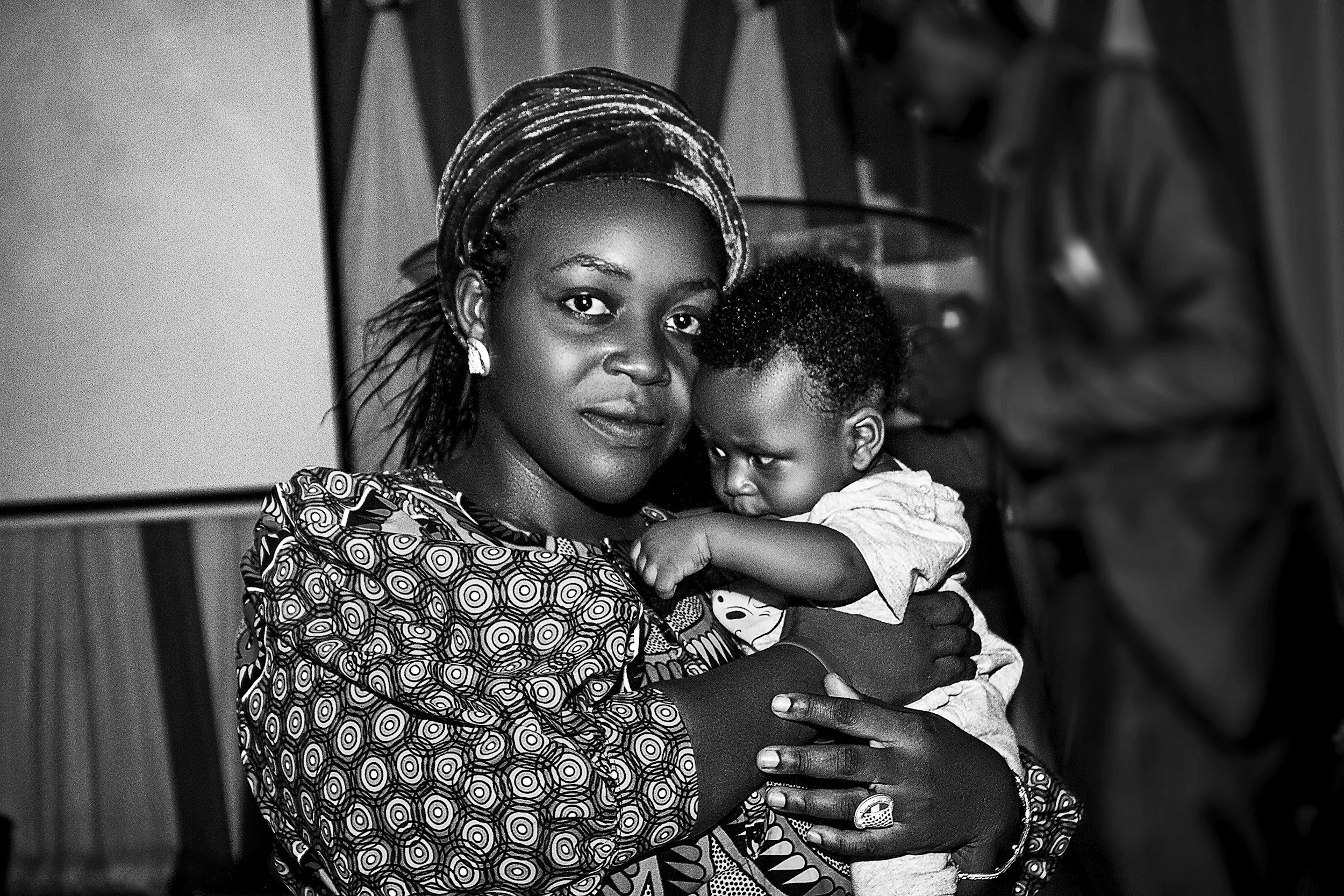
The Performance of Motherhood — And What It Costs Women Mentally
Many women aren’t burned out from motherhood itself — they’re burned out from performing it. The pressure to appear calm, capable, and selfless can quietly impact women’s mental health, nervous systems, and sense of self.
The Performance of Motherhood — And What It Costs Women Mentally
Motherhood is often described as instinctual, joyful, and fulfilling. And while it can be all of those things, many women experience something quieter and heavier alongside it: the performance of motherhood.
This performance isn’t just about caring for children — it’s about meeting invisible expectations. Being patient at all times. Being emotionally available. Being productive, present, grateful, and selfless. Doing it all without appearing overwhelmed.
For many women, especially high-achieving women and Black women, this performance comes at a real cost to mental health.
What We Mean by “The Performance of Motherhood”
The performance of motherhood refers to the pressure to appear like you are doing motherhood “right.”
This can look like always being calm, nurturing, and emotionally regulated ,iding exhaustion, resentment, or grief, or feelinng responsible for everyone else’s emotional experience You may feel constantly pressured to measure yourself against curated images of “good” motherhood, even if those images to accurately represent you or your lived experience. You may also feel pressured to perform competence even when you feel depleted.
These expectations aren’t just personal — they’re cultural. They’re shaped by patriarchy, racism, capitalism, and unrealistic ideals of productivity and sacrifice.
And over time, they train women to override their own needs.
Masking, Survival, and the Nervous System
Many mothers learn early on that there isn’t space for their full emotional experience.
So they mask.
They smile through exhaustion.
They suppress anger, grief, or ambivalence.
They push through instead of slowing down.
From a nervous system perspective, this is not a failure — it’s a survival strategy.
But long-term masking keeps the nervous system in a state of chronic activation. Over time, this can show up as:
Anxiety or irritability
Emotional numbness
Burnout or shutdown
Difficulty resting without guilt
Feeling disconnected from joy or pleasure
A sense of “I don’t recognize myself anymore”
Many women don’t realize they’re burned out from performing motherhood — not motherhood itself.
When the Past Gets Activated
For some women, motherhood also activates unresolved experiences from their own upbringing:
Being parentified
Emotional neglect
Growing up in unpredictable or high-stress environments
Learning early that love was conditional on performance
When this happens, the nervous system isn’t just responding to present-day parenting stress — it’s responding to old patterns of responsibility, vigilance, and self-erasure.
This is often where insight alone isn’t enough.
How EMDR Can Help
EMDR therapy can be especially helpful for mothers who feel stuck in patterns of overfunctioning, guilt, or emotional overwhelm.
Rather than focusing only on coping strategies, EMDR works with the nervous system to process earlier experiences that shaped beliefs like “I have to hold everything together”. It can also reduce emotional reactivity and chronic stress responses, creating mor space for rest, agency, and self-trust
Many women find that as their nervous system settles, the pressure to perform softens — not because they stop caring, but because they stop sacrificing themselves.
You’re Allowed to Be a Person, Not a Performance
Motherhood does not require perfection.
It does not require constant self-sacrifice.
And it does not require you to disappear.
If you’re feeling exhausted, numb, resentful, or disconnected, that doesn’t mean you’re failing — it often means you’ve been performing for too long.
Support can help you step out of survival mode and back into yourself.
Whether through trauma-informed therapy like EMDR or coaching that centers joy, nervous system care, and identity, you deserve care that sees you — not just the role you play.
If motherhood has activated anxiety, burnout, or old patterns you can’t seem to shift, trauma-informed therapy may help. I offer EMDR and somatic therapy for adults across Pennsylvania. Schedule a consultation today.

When Your Body Won’t Slow Down: Why You Might Need a Nervous System Reset
Is your body stuck in survival mode? Learn why 'just relax' doesn't work and how a nervous system reset can help you feel grounded again. From a trauma therapist serving women in Philadelphia.
If you've ever told yourself "I just need to calm down" and then felt frustrated when your body didn't cooperate, you're not alone.
Many of the women I work with are doing all the "right" things. They're self-aware. They understand their patterns. They've tried rest, routines, and mindset shifts. And yet, their body still feels on edge, exhausted, wired but tired, emotionally reactive, or numb and disconnected.
This isn't a personal failure. It's a nervous system doing exactly what it learned to do to keep you safe.
Why Regulation Is Harder Than It Sounds
Your nervous system isn't guided by logic or willpower. It's guided by safety.
When your body has spent a long time navigating stress, pressure, emotional labor, trauma, or survival mode, slowing down can feel unfamiliar or even unsafe. That's why "just relax" doesn't work. And why rest sometimes increases anxiety instead of relieving it.
From a nervous system perspective, regulation isn't about forcing calm. It's about gently helping your body remember that the threat has passed. It's about creating enough safety that your system can finally shift out of the hypervigilance it's been holding for so long.
For many high-achieving women, especially Black women and femmes who've carried the weight of navigating systemic stress on top of personal challenges, your nervous system has likely been in overdrive for years. You've learned to push through, to keep going, to hold it all together. Your body became brilliant at survival. But now that same survival response is making it nearly impossible to rest, even when you desperately need to.
What a Nervous System Reset Really Means
A nervous system reset doesn't mean erasing stress or never feeling activated again. It's not about achieving some mythical state of permanent calm or becoming someone who never gets triggered.
Instead, it means interrupting chronic fight, flight, or freeze patterns that have become your default. It means creating small, sustainable moments of safety in your body so that rest becomes possible again. It means increasing your capacity for presence without demanding perfection. It means learning to respond to life instead of constantly reacting from a place of threat.
Most importantly, it means doing this without pushing, fixing, or performing wellness. You've already spent enough energy trying to optimize and perfect yourself. A true nervous system reset honors where you are right now and builds from there.
Why Small, Consistent Practices Matter More Than Big Changes
One of the biggest misconceptions about healing is that it requires major overhauls—a complete life transformation, a week-long retreat, or hours of daily meditation.
In reality, your nervous system responds best to repetition, predictability, gentleness, and attunement. Small practices done consistently can have a bigger impact than occasional bursts of "self-care" that feel like another obligation on your already overwhelming to-do list.
This is especially true for high-achieving women, Black women and femmes, neurodivergent adults, and anyone who's used to holding everything together. You don't need another ambitious goal. You need permission to start small and stay consistent without judgment.
Think of it like this: your nervous system has spent years learning that the world isn't safe and you need to stay vigilant. You can't undo that learning in a weekend. But you can, through gentle repetition, begin teaching your body a new story. One breath at a time. One moment of groundedness at a time. One practice that says "you're safe now" until your body begins to believe it.
Understanding What Your Nervous System Actually Needs
Before you can reset your nervous system, you need to understand what state it's in. Are you stuck in hyperarousal, constantly scanning for threats and unable to settle? Are you in hypoarousal, feeling numb, disconnected, and exhausted? Or are you bouncing between the two, never quite finding your center?
The practices that help when you're anxious and activated are different from the ones that help when you're shut down and disconnected. This is why generic self-care advice often falls flat. Your body needs something specific, something attuned to where you actually are, not where you think you should be.
Learning to identify your nervous system state without judgment is the first step. From there, you can begin to choose practices that actually support regulation rather than adding more pressure to "get it right."
A Resource for Women Ready to Feel More Grounded
I created the Nervous System Reset Guide as a simple, accessible starting point for women who want to feel more grounded without overwhelming themselves. This guide is designed to help you understand what state your nervous system is in, identify what regulation actually looks like for your body, and practice brief, body-based resets you can use in real life, not just on yoga retreats or spa days.
There's no "right" way to move through it. You don't need to be calm, motivated, or perfectly consistent to begin. You just need curiosity and permission to go slowly. This guide is for women who feel chronically tired or overstimulated, who find that rest feels hard or guilt-inducing, whose body feels stuck in survival mode. It's for those who want tools that don't rely on positive thinking or forcing yourself into a better mood.
Whether you're currently in therapy or coaching and want support between sessions, or you're not in therapy but want nervous-system-informed care, this guide offers a gentle entry point. It's also helpful if you're curious about deeper work but aren't ready to fully commit yet. You're allowed to dip your toe in. You're allowed to explore at your own pace.
You Don't Have to Wait Until You're Completely Burned Out
You don't have to wait until you're completely burned out to care for your nervous system. You're allowed to start with small moments of safety. You're allowed to go at your own pace. You're allowed to need support.
If your body has been asking for something slower, softer, and more attuned, the Nervous System Reset Guide is available now. This isn't another thing you have to be perfect at. It's simply a resource to help you begin listening to what your body has been trying to tell you.
Your nervous system doesn't need another demand. It needs care. And you deserve to give yourself that care, even if it starts with just five minutes of presence, one grounding breath, or a single moment of noticing that right now, in this moment, you're safe.
Download the Nervous System Reset Guide and begin the gentle work of helping your body remember what safety feels like.

Post-Holiday Fatigue: Why You’re Exhausted and Why It Makes Sens
Post-holiday fatigue is a real nervous system response, not a personal failure. After weeks of emotional labor, disrupted routines, and pressure to perform, many people feel exhausted, foggy, or disconnected — and that makes sense
Post-Holiday Fatigue Is Real — And You Don’t Have to End the Year Strong
The days after the holidays can feel strangely heavy.
The anticipation is gone.
The routines are disrupted.
The adrenaline fades.
And suddenly, your body feels exhausted in a way that sleep alone doesn’t fix.
If you’re noticing brain fog, low motivation, irritability, emotional flatness, or a deep desire to withdraw after the holidays — you’re not imagining it. And you’re not doing anything wrong.
Post-holiday fatigue is real. And from a nervous system perspective, it makes complete sense.
Why the Body Crashes After the Holidays
For weeks (or months), your nervous system may have been managing:
social obligations
family dynamics
financial pressure
disrupted routines
sensory overload
emotional labor
expectations to be “on”
Even when the holidays include moments of joy, they often require extra regulation — especially for people with trauma histories, neurodivergent adults, and high-achieving women who are used to holding things together.
Once it’s over, the body finally lets go.
This isn’t laziness.
It’s not a lack of discipline.
It’s your nervous system coming down from sustained activation.
Post-Holiday Fatigue Doesn’t Always Look Like Sleepiness
For many people, this fatigue shows up as:
difficulty focusing
feeling emotionally numb or flat
low motivation
irritability or short patience
wanting to cancel everything
feeling disconnected from joy
If you’ve spent much of your life pushing through stress, your body may only feel safe enough to rest once the pressure lifts.
You Are Allowed to Not “End the Year Strong”
There’s a cultural message that says:
Push through. Finish strong. Don’t slow down yet.
But your nervous system doesn’t follow calendar deadlines.
You don’t need to wrap the year up neatly.
You don’t need a highlight reel.
You don’t need to squeeze productivity or meaning out of exhaustion.
Ending the year tired doesn’t mean you failed.
It often means you carried a lot.
A Gentler Way to Close the Year
Instead of asking, “How can I push through the finish line?”
Try asking:
What does my body need right now?
Where can I reduce pressure instead of adding more?
What can I let be unfinished?
What would rest look like if it didn’t need to be earned?
Sometimes the most regulating thing you can do is stop striving.
When Post-Holiday Fatigue Signals Something Deeper
If you notice that the exhaustion, numbness, or anxiety lingers — or feels familiar year after year — it may be a sign that your nervous system has been operating in survival mode for a long time.
Trauma-informed therapy can help you:
understand your body’s stress responses
gently regulate your nervous system
release patterns of chronic overfunctioning
build capacity for rest without guilt
You don’t have to wait until you’re completely depleted to seek support.
You Don’t Need a Strong Finish — You Need Care
As the year comes to a close, let yourself end it honestly.
Tired counts.
Quiet counts.
Soft counts.
Your nervous system doesn’t need a performance.
It needs safety.
If you’re considering therapy to support burnout recovery, trauma healing, or nervous system regulation, I offer trauma-informed care for adults across Pennsylvania, both virtually and in person.

Navigating Relationships While Managing Trauma
Trauma doesn't stay in the past—it lives in your body and shows up in your relationships. Learn how EMDR and somatic therapy can help you heal while building the connected relationships you deserve
You're trying to be present with your partner, but your mind keeps drifting to that familiar feeling—the tightness in your chest, the urge to pull away, the sudden flash of anger that seems to come from nowhere. You know these reactions aren't really about the person sitting across from you, but that doesn't make them any easier to control.
If this sounds familiar, you're not alone. Trauma has a way of showing up uninvited in our closest relationships, often when we least expect it.
When Past Pain Lives in Your Body
Trauma doesn't stay neatly contained in the past. It lives in your body—in the tension you carry in your shoulders, the knot in your stomach when conflict arises, the way your breath becomes shallow when you feel vulnerable. This isn't just in your head. Your nervous system remembers what happened, and it's doing everything it can to keep you safe, even when safety means pushing away the very connection you're craving.
You might find yourself:
Shutting down emotionally when conversations get too vulnerable
Feeling hypervigilant or constantly on edge around your partner
Struggling to trust, even when your partner has given you no reason to doubt them
Reacting intensely to situations that others might see as minor
Avoiding intimacy or closeness because it feels too overwhelming
Noticing physical sensations—racing heart, shallow breathing, muscle tension—that signal your body is on high alert
These aren't character flaws. They're survival responses that once protected you but now get in the way of the connection you deserve.
The Double Bind of Wanting Closeness While Fearing It
Here's what makes trauma in relationships so confusing: you want closeness, but closeness can feel dangerous. Your nervous system remembers being hurt, and it's doing its job by trying to keep you safe. The problem is, it can't always tell the difference between genuine danger and genuine connection.
This might look like pushing away the very person you want to be close to, or testing your partner's commitment in ways that strain the relationship. You're not sabotaging things on purpose—you're responding to an internal alarm system that's still calibrated to past threats.
Healing Happens in the Body, Not Just the Mind
Traditional talk therapy can help you understand your trauma, but understanding alone doesn't always change how your body responds. This is where somatic and EMDR therapy come in.
EMDR (Eye Movement Desensitization and Reprocessing) helps your brain reprocess traumatic memories so they no longer hold the same emotional charge. Instead of reliving the pain every time something triggers you, you can remember what happened without your nervous system going into overdrive.
Somatic therapy recognizes that trauma is stored in your body. Through breathwork, mindfulness, and body-based practices, you learn to:
Notice when your body is signaling a trauma response
Release stored tension and stress from your nervous system
Build a sense of safety within your own body
Stay present during difficult conversations instead of dissociating or shutting down
Reconnect with yourself so you can genuinely connect with others
This holistic approach honors all aspects of your being—mind, body, spirit, and soul—because healing isn't just about understanding what happened. It's about feeling safe and whole again.
You Don't Have to Choose Between Healing and Relationships
Some people worry that working on their trauma means they have to be alone, or that they're somehow "too broken" for a relationship. That's not true. You can heal while staying in relationship. In fact, safe, supportive relationships can be part of your healing.
In therapy, we create a space where you can:
Process traumatic experiences at a pace that feels right for your body and nervous system
Learn to recognize and manage trauma responses before they take over
Develop practical tools to stay grounded when triggered
Explore how trauma specifically shows up in your relationships without shame or judgment
Rebuild trust—both in yourself and in your capacity for connection
Strengthen your relationship while honoring your healing journey
A Space That Honors Your Whole Identity
For BIPOC women especially, trauma often intersects with experiences of racism, cultural pressure, and the burden of carrying generational pain. Your healing journey happens within a context that's uniquely yours, and that deserves to be seen and honored.
At The Mending Space, I understand that healing isn't one-size-fits-all. Whether you're dealing with childhood wounds, relationship trauma, anxiety, depression, or the accumulated stress of navigating the world as a Black or Brown woman, you deserve a space where all of you is welcome.
Ready to Begin Your Healing Journey?
If this post resonates with you, it might be time to get some support. You don't have to keep managing this alone, and you don't have to choose between healing and having the relationships you want.
I offer in-person therapy in Jenkintown (near Abington, Glenside, and the greater Philadelphia area) and telehealth throughout Pennsylvania. Together, we'll use EMDR, somatic practices, and trauma-informed care to help you build the connected, authentic relationships you deserve.
Request an appointment today or call (215) 960-9843 to learn more.
Healing is possible. You deserve to feel safe in your body and your relationships.

Making Space for Grief: Embracing Healing During the Holiday Season
The holidays don’t only bring joy — they often bring grief in many forms. From loss and strained relationships to burnout and unmet expectations, this season can stir emotions that deserve care, not judgment
The holidays are often framed as a time of joy, togetherness, and celebration. But for many people, especially those navigating trauma, burnout, or complex life transitions, this season can stir up grief in ways that are hard to name.
If the holidays feel heavier this year — if you’re more tired, irritable, sad, or disconnected — you’re not alone. And you’re not doing the holidays “wrong.”
Grief doesn’t only show up after death.
And it doesn’t always look like tears.
Why Grief Feels Stronger During the Holidays
The holiday season has a way of highlighting what’s missing.
Routines change. Memories resurface. Family dynamics come into sharper focus. Cultural expectations to be happy or grateful can make it harder to acknowledge pain.
For people who have spent much of their lives in survival mode — especially high-achieving women, Black women, and neurodivergent adults — grief may live quietly in the body long before it’s recognized consciously.
The nervous system remembers what the mind tries to move past.
Different Types of Grief That Often Show Up This Time of Year
1. Grief After the Loss of a Loved One
This is the type of grief we most commonly recognize.
Holidays can intensify the absence of someone who once held a place in your life — a parent, partner, sibling, friend, or chosen family member. Traditions may feel painful. Joy may feel complicated.
There’s no timeline for this kind of grief. Missing someone years later doesn’t mean you’re stuck — it means the relationship mattered.
2. Grief for Relationships That Changed or Ended
Not all losses involve death.
You may be grieving:
a strained relationship with a parent
distance from family
a breakup or divorce
a friendship that no longer feels safe or mutual
the decision to go low- or no-contact for your own well-being
During the holidays, when connection is emphasized, these relational losses can feel especially sharp.
3. Grief for the Life You Thought You’d Have
This type of grief is rarely talked about — but it’s deeply real.
You might be grieving:
not having children (by choice or circumstance)
not having a partner
not living in the place you imagined
a career path that didn’t unfold as planned
the version of yourself you thought you’d be by now
This grief often carries shame, because society doesn’t always make space for mourning unlived lives.
But your nervous system knows the difference between acceptance and suppression.
4. Grief Rooted in Trauma and Burnout
For many people, grief is woven into trauma and chronic stress.
You may be grieving:
years spent in survival mode
childhoods shaped by instability or emotional neglect
always having to be “strong”
being the one who held everything together
not having had the chance to rest, play, or be cared for
This grief may show up as exhaustion, numbness, irritability, or feeling disconnected rather than sadness.
That doesn’t make it less valid.
5. Collective and Cultural Grief
Many Black, Indigenous, and People of Color carry grief that is both personal and collective.
This can include grief tied to:
racism and systemic harm
intergenerational trauma
community loss
ongoing social and political stress
The body holds these experiences, even when there are no words for them.
Grief Doesn’t Always Look Like Crying
Grief can show up as:
fatigue
anxiety
difficulty concentrating
feeling emotionally flat
wanting to withdraw
increased irritability
feeling “off” without knowing why
These are not signs of weakness.
They are nervous system responses to loss.
Making Space for Grief Without Forcing Healing
You don’t need to “process” everything this holiday season.
You don’t need to feel grateful.
You don’t need to make meaning out of pain.
Sometimes the most supportive thing you can do is:
acknowledge what hurts
reduce pressure on yourself
allow mixed emotions
prioritize safety and rest
seek support without rushing resolution
Healing is not about erasing grief — it’s about learning how to carry it with more care.
How Therapy Can Help During the Holidays
Working with a trauma-informed therapist can help you:
understand how grief lives in the body
gently regulate your nervous system
process losses that were never acknowledged
release shame around your emotional responses
create boundaries that protect your capacity
Therapies like EMDR and somatic approaches don’t require you to relive every detail of loss. They help your nervous system feel less overwhelmed by what it’s holding.
You Don’t Have to Carry This Alone
If the holidays bring up grief — whether old, new, visible, or invisible — you deserve support that honors your full experience.
There is no “right” way to grieve.
There is only your way.
If you’re considering therapy, I offer trauma-informed support for adults across Pennsylvania, both virtually and in person in Jenkintown.
Care is not something you have to earn — especially during the holidays.

Do I Need Trauma Therapy? Exploring Your Healing Options
Trauma isn’t defined by how dramatic an experience looks — it’s defined by how your nervous system responded. If your body feels stuck, overwhelmed, or exhausted, your pain is worth paying attention to.
One of the most common things I hear from prospective clients is this:
“I don’t know if I should be in trauma therapy. Nothing that bad happened to me.”
There’s often a pause after that sentence — followed by comparison, minimization, or self-doubt.
As if pain only counts if it reaches a certain threshold.
If you’ve ever wondered whether your experiences are “enough” to justify trauma therapy, you’re not alone. And more importantly: you’re asking the wrong question.
Trauma Isn’t About What Happened — It’s About What Happened Inside You
Trauma isn’t defined by the event itself.
It’s defined by how your nervous system experienced and stored that event.
Two people can go through the same situation and walk away with very different nervous system responses. What matters is not the severity of the event on paper — it’s whether your body felt overwhelmed, unsafe, or unable to cope at the time.
This means trauma can come from things like:
Growing up in a chronically stressful or emotionally unpredictable home
Being expected to mature quickly or take care of others
Experiencing racism, microaggressions, or feeling “othered” over time
Emotional neglect or not feeling seen, protected, or supported
Chronic pressure to perform, succeed, or “hold it together”
Repeated experiences of invalidation, criticism, or instability
None of these require a single dramatic incident.
But all of them can shape how your nervous system learns to survive.
“But Other People Had It Worse…”
This is where many people get stuck.
You might tell yourself:
“I wasn’t abused.”
“Nothing violent happened.”
“My parents tried their best.”
“I should be grateful.”
And yet — your body tells a different story.
You may notice:
Chronic anxiety or tension
Feeling constantly “on” or hypervigilant
Emotional numbness or shutdown
Difficulty resting without guilt
Trouble trusting others or yourself
Burnout that doesn’t improve with time off
Trauma therapy isn’t about ranking pain.
It’s about listening to what your body has been carrying — often quietly — for years.
Signs Trauma Therapy May Be Helpful (Even If Nothing “Major” Happened)
You might benefit from trauma-informed therapy if you find yourself:
Reacting strongly to things that “shouldn’t” be a big deal
Feeling stuck in patterns you understand intellectually but can’t change
Experiencing fatigue that rest doesn’t fix
Overfunctioning, people-pleasing, or perfectionism
Avoiding certain emotions, memories, or sensations
Feeling disconnected from joy, play, or ease
These aren’t character flaws.
They’re often signs of a nervous system that learned to stay alert to survive.
Why Talk Therapy Alone Isn’t Always Enough
Insight is powerful — but it has limits.
Many clients come into therapy already knowing why they feel the way they do. They’ve reflected, journaled, analyzed, and processed cognitively. And yet, their body still reacts.
That’s because trauma lives not just in memory, but in the body and nervous system.
When stress or threat isn’t fully processed, the body stays prepared for danger — even when life is relatively stable. This is where somatic therapy and EMDR can be especially helpful.
How EMDR Supports Healing Without Re-Telling Everything
EMDR (Eye Movement Desensitization and Reprocessing) is a trauma-focused therapy that helps the brain and nervous system reprocess experiences that are “stuck.”
Instead of retelling your story over and over, EMDR works with:
the body’s sensations
emotional responses
memory networks
and the nervous system’s stress responses
Many clients describe EMDR as helping memories lose their emotional charge — not because they forget what happened, but because their body no longer reacts as if it’s happening now.
EMDR can be helpful for:
chronic anxiety
burnout
perfectionism
attachment wounds
developmental trauma
and the cumulative impact of stress over time
It can also be done effectively via telehealth.
You Don’t Need to Prove Your Pain to Deserve Support
You don’t have to justify your experiences.
You don’t have to compare yourself to anyone else.
You don’t have to wait until things get worse.
If your nervous system feels stuck — if your body has been carrying more than you want it to — trauma therapy may be a supportive next step.
Healing doesn’t require a dramatic backstory.
It requires compassion, safety, and the willingness to listen to what your body already knows.
Taking the Next Step
If you’re curious whether trauma therapy or EMDR might be right for you, I offer consultations to explore your goals and answer questions in a supportive, pressure-free way. You can request an appointment here.
You deserve care that meets you where you are — not where you think you should be.

When Your Body Says “Slow Down”: Understanding December Fatigue
Why You Feel Drained at the End of the Year — and What Your Nervous System Is Trying to Tell You
Every year around this time, people start wondering why they’re so exhausted.
Not just tired — depleted.
Unable to focus.
Shorter fuse.
Less tolerance for stress or noise.
More overwhelm with things that “should” be simple.
If this sounds familiar, nothing is wrong with you.
Your body is responding exactly the way a nervous system responds after twelve months of carrying, holding, and performing.
December fatigue isn’t a personal failing.
It’s biology, trauma history, and emotional labor intersecting.
Let’s break down what’s really happening — and what can actually help.
There are a few reasons the end of the year feels heavier on your nervous system:
1. Your brain has been in “go mode” for months.
Even if the year had good moments, your nervous system has been working nonstop to manage stress, uncertainty, responsibilities, and emotional load.
By December, your body finally says:
“I can’t keep doing this pace.”
2. Less daylight impacts mood and energy.
Shorter days and longer nights affect your circadian rhythm, melatonin production, and emotional regulation.
3. The holidays bring emotional labor — even when they’re joyful.
Navigating family dynamics, travel, gift expectations, caregiving, or grief…
Your brain doesn’t see those as “festive.”
It sees them as more things to manage.
4. Trauma histories intensify end-of-year exhaustion.
If you’ve spent years or decades in survival mode, transitions (like the shift into winter) hit harder.
Your body tracks:
memories
anniversaries
family patterns
unprocessed stress
This shows up as fatigue, irritability, shutdown, or anxiety — not because you’re failing, but because your body remembers.
For Black and Brown women, December Fatigue Often Runs Deeper
The end of the year can trigger layers of:
emotional labor
cultural expectations of strength
family pressure
being “the rock” for everyone
work environments where you’re the “only one”
accumulated microaggressions
Your nervous system hasn’t had the luxury of coasting.
It’s been performing, managing, and protecting — all year long.
Of course you’re tired.
What Actually Helps Your Body Recover
(And none of these require huge lifestyle changes.)
1. Micro-rest breaks
Two minutes of deep exhaling.
Staring out the window.
Letting your shoulders drop.
Your nervous system responds to small, repeated cues of safety.
2. Reduce the emotional load
Ask yourself:
“What am I carrying that is not mine to carry today?”
Put it down — even temporarily.
3. Prioritize warmth, slowness, and quiet
Your body calms faster with:
warm drinks
warm showers
slower movement
soft music
less stimulation
4. Let your body lead
If you’re tired, it’s not discipline you need.
It’s permission to rest.
5. Seek support if your nervous system feels stuck
Therapy — and specifically EMDR and somatic therapy — can help your system relearn what safety feels like.
You don’t have to push through alone.
You Deserve Rest. You Deserve Safety. You Deserve Ease.
If your body feels heavy, tense, or overwhelmed right now, it’s not weakness.
It’s communication.
There is nothing wrong with you.
Your body has been working hard to get you through this year.
If you’re ready to explore trauma therapy or EMDR in a compassionate, culturally responsive space, I’d be honored to support you. Request a consultation here or call our office at 215-960-9843.

Your Body Knows: Making Sense of Fight, Flight &Freeze in BIPOC Healing
What if your anxiety, numbness, or constant exhaustion weren’t signs that something is
wrong with you, but signs that your body has been doing its best to keep you safe?
For many Black, Indigenous, and People of Color, our bodies hold not just our own
stress and trauma, but also generations of survival. Our nervous systems carry the
weight of personal experiences, family struggles, and collective histories, stories that
are often felt more than they’re spoken.
When we react with fight, flight, or freeze, it’s not because we’re weak or broken. It’s
because our body remembers. It’s because our body is wise.
Making Sense of Trauma
Let’s be real: a lot of the pain we carry didn’t start with us. Many of us have been living
in survival mode for a long time, because we’ve had to. We’ve grown up in families and
systems shaped by colonization, racism, displacement, violence, and economic
hardship. And our bodies learned to adapt to that.
What this means is that being “on edge,” quick to anger, always alert, or feeling
emotionally numb these aren’t personality flaws. They’re survival skills.
Instead of asking ourselves, “What’s wrong with me?”we can start asking, “What
happened that made my body feel like it had to protect me this way?”
Healing starts when we stop judging our reactions and start listening to them.
Your Nervous System Is Always Listening
There’s a part of your body, your nervous system, that’s always scanning your
surroundings, asking: “Am I safe?”
If the answer is yes, you feel calm and connected. If the answer is no (even if you don’t
know why), your body responds in one of three ways:
Fight – You might feel tense, irritable, angry, or ready to defend yourself.
Flight – You may feel anxious, restless, or like you have to “do something” to stay
ahead of danger.
Freeze – You might feel shut down, disconnected, foggy, or numb.
These responses are not flaws. They are your body doing its job especially in a world
that hasn’t always felt safe for BIPOC folks.
Why BIPOC Bodies Stay in Survival Mode
The truth is, many of us live in a world where we rarely get to feel fully safe. Whether it’s
racism, classism, homophobia, transphobia, ableism or the layered weight of all of these
our nervous systems don’t always get the message that the danger has passed.
Being the “only one” in a space. Navigating healthcare or school systems that don’t see
you. Carrying family trauma. Feeling invisible. Feeling watched. Being expected to push
through. These all send signals to your nervous system that you need to stay on guard.
So if you find yourself always bracing, always scanning the room, or feeling shut down
it’s not because you’re failing. It’s because your nervous system is protecting you the
only way it knows how.
Regulation Isn’t Control. It’s Care
Nervous system regulation isn’t about forcing yourself to be calm. It’s not about
pretending you’re okay when you’re not.
It’s about meeting your body where it is and giving it what it needs to come back to a
place of safety, even just a little bit at a time.
Here are some starting points:
If You’re in Fight or Flight (anxious, restless, on edge):
Breathe low and slow. Inhale gently for 4 counts, exhale for 6.
Ground yourself. Press your feet into the floor. Hold a warm cup or feel the texture of
your clothes.
Name what’s happening. “I feel tight in my chest. My thoughts are racing.” Naming
brings awareness.
Move intentionally. Take a walk, stretch your body, or dance to music that connects
you to your culture or joy.
If You’re in Freeze (numb, shut down, foggy):
Move slowly. Wiggle your fingers or toes. Rock gently. Stretch your arms.
Re-orient. Look around your space. Notice five things you can see or feel.
Connect. Call or sit with someone safe. Let your body feel the presence of someone
who sees you.
Offer touch. Wrap yourself in a blanket or place your hand over your heart and breathe
into it.
Returning to What Our Communities Already Knew
Before anyone used the words “nervous system” or “trauma-informed,” our communities
already had practices for healing. We sang. We prayed. We gathered. We told stories.
We moved together. We sat in silence or in ceremony. These aren’t just traditions.
They’re tools.
Regulation isn’t just something you learn in therapy it’s something many of our
ancestors already knew how to do. Our work now is to remember and reclaim those
ways.
You’re Not Alone in This
Healing is not a straight path. It’s not fast, and it doesn’t always feel good at first. But
you deserve care that meets you where you are.
If your nervous system feels stuck, that doesn’t mean you’re broken. It means your body
has been trying to keep you safe. And now, it might be ready to learn a new way.
Working with a therapist who understands your lived experience can help but so can
finding practices that feel true to you. Safety can begin with small moments. With
breath. With presence. With rest.
You Deserve Rest. You Deserve Safety. You Deserve Healing.
Your body has carried so much. And it’s still here, still speaking to you.
Let it know: You don’t have to fight forever.
Let it feel: You are allowed to rest.
Let it believe: You are already worthy of healing, just as you are.
Healing is possible, and you deserve care that honors all of who you are.
If you’re curious about what this support could look like, you can request a free

Why High-Achieving Women Struggle to Sleep in November(And What Your Nervous System Has to Do With It)
Every year around this time, I start hearing it in sessions again:
“I can’t fall asleep.”
“I keep waking up at 3 a.m.”
“My brain won’t turn off.”
If this sounds familiar, you’re not alone — and you’re not “doing rest wrong.”
You’re experiencing what I call nervous system drift: that end-of-year pattern where shorter days, added responsibilities, and emotional fatigue quietly push your body out of balance.
And for high-achieving women — especially Black women and neurodivergent women — this drift can feel like a full-body shutdown.
Why November Sleep Gets Weird
Several factors make November a uniquely restless month:
1. Decreased daylight affects your circadian rhythm.
When sunset creeps earlier, your body produces melatonin later, disrupting your natural sleep-wake cycle.
2. The “mental year-end sprint.”
You’re probably evaluating your goals, juggling family logistics, prepping for holidays — all while your body is asking for hibernation mode. That mismatch fuels cognitive overstimulation and insomnia.
3. The emotional labor of connection.
Many women spend November managing other people’s feelings — anticipating gatherings, smoothing family tension, or keeping up with partners and colleagues.
This constant outward focus leaves the body hypervigilant, not relaxed.
Many of my clients are brilliant, capable, and deeply caring — but they also live in chronic performance mode.
For high-achieving Black women and femmes, sleep struggles are often tied to the cultural pressure to be endlessly strong and self-sufficient. That “Strong Black Woman” schema keeps the body on alert even when the day is over.
For neurodivergent women, factors like sensory sensitivity, hyperfocus, and rejection-sensitive anxiety can make winding down harder.
Three Practices to Help You Sleep (and Feel) Better This Winter
The 5-Minute Wind-Down Ritual
Before bed, try this three-step reset:
Soften your gaze. Look around the room and name three things that feel safe.
Exhale twice as long as you inhale. This activates the parasympathetic system (the “rest and digest” response).
Place one hand on your heart, one on your belly. Remind your body: “It’s safe to rest now.”
This isn’t meditation — it’s physiological permission.
A “Play Pause” During the Day
Play regulates the same neural pathways that help us sleep.
Take five minutes midday to stretch, doodle, dance, or step outside without multitasking.
That joy signals your nervous system it’s safe to stop hustling — even briefly.
➡️ Supporting research: Stuart Brown – The Neuroscience of Play (NPR)
Decenter the Emotional Load Before Bed
Journal or voice-note one question:
“What feelings am I holding that aren’t mine to carry into tomorrow?” This helps externalize emotional labor — especially for caregivers and partners.
Your nervous system can’t sleep if it thinks it’s still responsible for everyone else’s peace.
Sleep problems aren’t just about bedtime habits. They’re signals from a nervous system that’s been running the show all year and is finally asking:
“Can I rest now?”
If that question feels hard to answer, therapy can help.
Together, we can untangle what your body’s been holding — and rebuild a sense of safety, calm, and rest from the inside out. Request an appointment to start supporting your nervous system this season.

What Is EMDR Therapy — and How Can EMDR Intensives Help You Heal More Deeply?
Healing from trauma isn’t just about talking through what happened — it’s about helping your body and brain process what they’ve been holding.
That’s where EMDR therapy comes in.
EMDR (Eye Movement Desensitization and Reprocessing) is a powerful, evidence-based approach to trauma therapy. It helps you reprocess painful memories that may still feel “stuck,” so they no longer trigger the same emotional intensity.
Unlike traditional talk therapy, EMDR focuses on how trauma lives in the nervous system — not just in the mind. Through guided eye movements, sounds, or tapping, EMDR helps the brain safely reprocess experiences that once felt overwhelming.
The result?
Clients often report feeling lighter, calmer, and more present — with less reactivity and a stronger sense of self.
Why EMDR Works
When we experience trauma, the brain’s natural processing system can become overwhelmed. Instead of fully integrating the event, the body stores fragments of it — sensations, emotions, or images — as if the danger is still happening.
EMDR helps complete that “unfinished processing,” allowing your brain and body to finally file the memory where it belongs: in the past.
This process can reduce symptoms of:
Anxiety or panic
PTSD or complex trauma
Chronic shame or self-blame
Emotional reactivity
Perfectionism and over-control (common in high-achieving women)
What Are EMDR Intensives?
For some clients, weekly 50-minute sessions can feel too brief — especially when deep trauma work is involved. EMDR Intensives offer an alternative: extended sessions (often 2–3 hours) that allow for deeper focus and faster progress in a shorter period of time.
These intensives are ideal if you:
Feel “stuck” in your current therapy progress.
Have limited availability for weekly sessions.
Want to make meaningful movement on a specific issue or event.
Are preparing for or integrating after a major life transition.
EMDR Intensives provide a contained, supportive environment where we move at your nervous system’s pace — not the clock’s.
What to Expect from an EMDR Intensive
Every EMDR Intensive begins with a comprehensive intake session to ensure it’s the right fit. Together, we’ll:
Identify your goals and focus areas.
Establish grounding and regulation skills before beginning processing.
Schedule one or more extended EMDR sessions tailored to your needs.
After your intensive, you’ll receive integration support to help you stay grounded and notice changes as they unfold. One client expressed:
“I was nervous about doing an EMDR Intensive at first, but it felt so safe and focused. After just one session, I noticed less anxiety and fewer intrusive thoughts. It felt like years of weight started to lift.”
As a therapist who specializes in working with high-achieving women and femmes, I know how trauma often hides behind perfectionism, over-functioning, and people-pleasing. EMDR helps release what your body has been holding — so you can access calm, creativity, and connection again.
Getting Started
If you’re curious about EMDR or EMDR Intensives, I’d love to talk more about what healing could look like for you.
You deserve support that meets you where you are — whether that means weekly EMDR sessions or a focused intensive designed to help you move forward.